Driving around San Antonio in summer is a lesson in instant heat. Windows bake, interiors fade, and the glare makes any afternoon commute a chore. Window tinting promises cooler cabins, protected upholstery, and a bit more privacy. The question many vehicle owners face is whether to tackle the job themselves or hand it off to a professional san antonio window tinting shop. I’ve installed film on my own cars and watched dozens of pros work through every kind of complication. Below I lay out what you can expect from each route, including costs, risks, performance differences, and the specific realities of tinting in San Antonio.
Why tinting matters here Sun intensity and long hours of daylight in South Texas give window film more to do than in cooler, cloudier places. A high-quality film blocks infrared heat, reduces ultraviolet exposure that fades interiors, and mitigates glare on bright highways. In practical terms, good tinting can lower cabin temperatures by 10 to 20 degrees Fahrenheit on a hot day, keep leather and plastics from cracking, and make driving at dusk or dawn less stressful. Those are measurable benefits, but they depend heavily on installation quality and the type of film you choose.
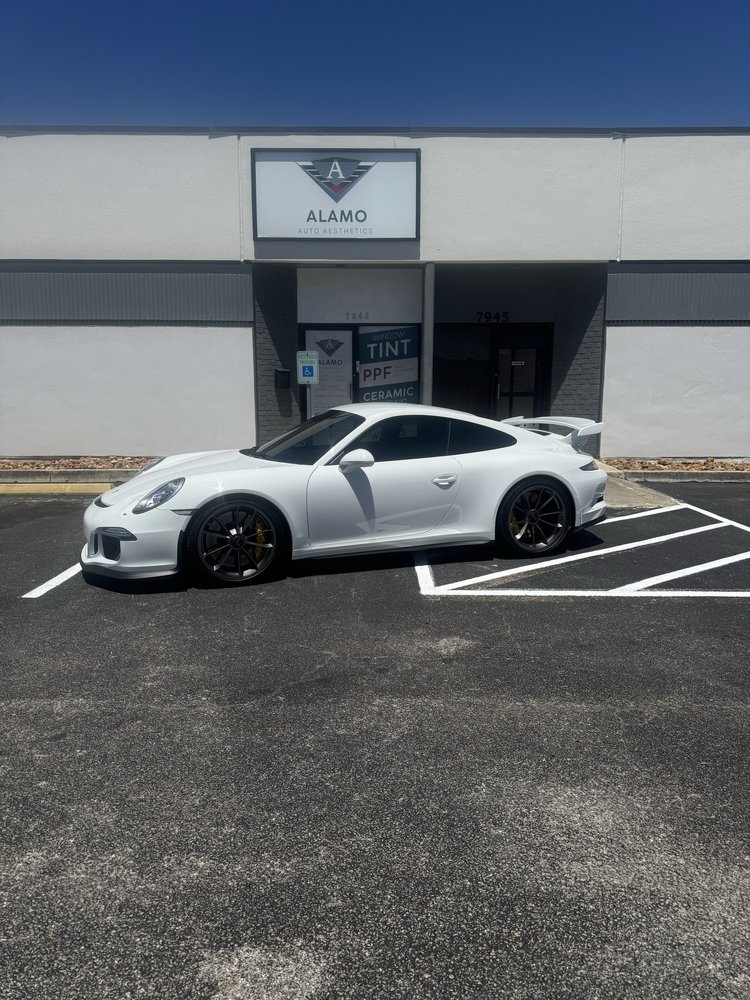
How professional shops approach the job A seasoned san antonio window tinting technician starts by assessing the vehicle: glass condition, window curves, factory frits, and the presence of sensors or built-in defrosters. They recommend film based on budget and desired performance. Ceramic or hybrid films cost more but block heat and UV better than dyed films and do not interfere with radio or navigation signals. Lower-end dyed films look fine at first but tend to bubble or fade in intense heat over several years.
Professionals cut film using templates, plotters, or freehand techniques honed by repetition. They prep glass carefully, removing old adhesive, surface contaminants, and any moldings that impede a flush fit. Installation tools include squeegees of varying hardness, precision knives, heat guns, and solutions that keep film movable until set. After application, shops typically offer a warranty that covers bubbling, peeling, or adhesive failure for a set period. That warranty and the ability to return for a rework are part of what you pay for.
What DIY kits and hours-in-the-driveway installations look like A DIY kit arrives as pre-cut pieces or rolls of film, a spray bottle of soapy slip solution, and a plastic squeegee. You might buy tools separately: a sharp knife, a window cleaner, and maybe a heat gun. The appeal is obvious. Material costs for DIY range from roughly $40 for basic dyed films in a roll adequate for rear and side windows, up to $200 or more for ceramic-style films in bulk sizes. Compare that to professional installs, which in San Antonio typically run from $150 to $500 depending on film type and vehicle size.
DIY success depends on the glass, your patience, and steadiness of hand. Pre-cut kits simplify the process, but they rarely match the precision of a technician who can custom-fit complex rear three-quarter windows. Expect to spend two to six hours for a first attempt on a typical sedan, longer for SUVs and curved rear windows. Mistakes are common at first: trapped dust, uneven squeegee strokes that leave streaks or buckle marks, and edge lifting if the film is not tucked under trim properly.
Performance and longevity: how installation quality matters The best film can only perform as well as its installation allows. Even top-tier ceramic film will underperform if left with air pockets, wrinkles, or exposed edges. In San Antonio, thermal cycling is hard on edges and adhesive; a poorly sealed edge is a likely failure point. Professionals pay attention to edge sealing, trim alignment, and curing conditions to ensure a durable bond. They also understand vehicle-specific considerations such as adhesive compatibility with rain-sensing cameras or lane assist sensors.
For longevity expectations, a professionally installed high-quality ceramic film should last at least 7 to 10 years before optical degradation becomes noticeable, with many lasting longer under normal use. Lower-end dyed films, even when professionally installed, may show discoloration or peeling within 3 to 5 years in our climate.
Cost comparison with real numbers Cost is one of the decisive factors for many people. Here are representative figures based on current San Antonio market conditions and my practical experience over several years.
- Basic dyed film, DIY rolls: $40 to $80 for a set of pieces that will cover most sedans. Higher-quality ceramic or metallic film, DIY bulk: $120 to $300 depending on square footage needed. Professional install, basic film: $150 to $250 for an average car. Professional install, premium ceramic film: $300 to $600 depending on vehicle size and number of windows.
A budget-minded DIYer who values cost savings may find breakeven within one installation, but factor in your time. If you value warranties, consistent optical quality, and want the work done in a couple of hours without risk of redoing it, professional san antonio window tinting is often worth the premium.
Legal considerations in San Antonio and Texas Local laws dictate how dark you can tint windows. Texas laws specify visible light transmission percentages for front side windows and other areas. If you install film yourself, you are responsible for compliance. Professional shops are generally familiar with local regulations and will advise on allowed tint levels. window tinting san antonio They also typically issue a certificate of tint compliance which can be useful during traffic stops or when selling the vehicle.
A common DIY pitfall is not measuring light transmission correctly. Cheap meters are inaccurate, and a film that reads within legal limits when dry may fall outside after heat curing or if stacked improperly at edges. When that matters to you, a professional install reduces legal risk.
Common problems with DIY installations and how to avoid them Problems arise during cutting, application, and curing. Cutting too aggressively will nick the glass or trim, producing chips that become corrosion points. Overuse of soap in the slip solution will lengthen curing times and leave residue. Using a low-quality knife leads to ragged edges. Attempting to film complex curved glass without a heat gun will create permanent wrinkles.
To reduce failure risk, prep thoroughly. Work in a clean garage, use deionized water and a few drops of dish soap for the slip solution, and keep the workspace dust-free. Don’t try to stretch the film beyond a gentle conforming with heat. If a window has factory antenna lines, heating elements, or embedded sensors, do research before you cut. When in doubt, remove the interior trim slowly and treat the edges carefully to tuck the film under it.
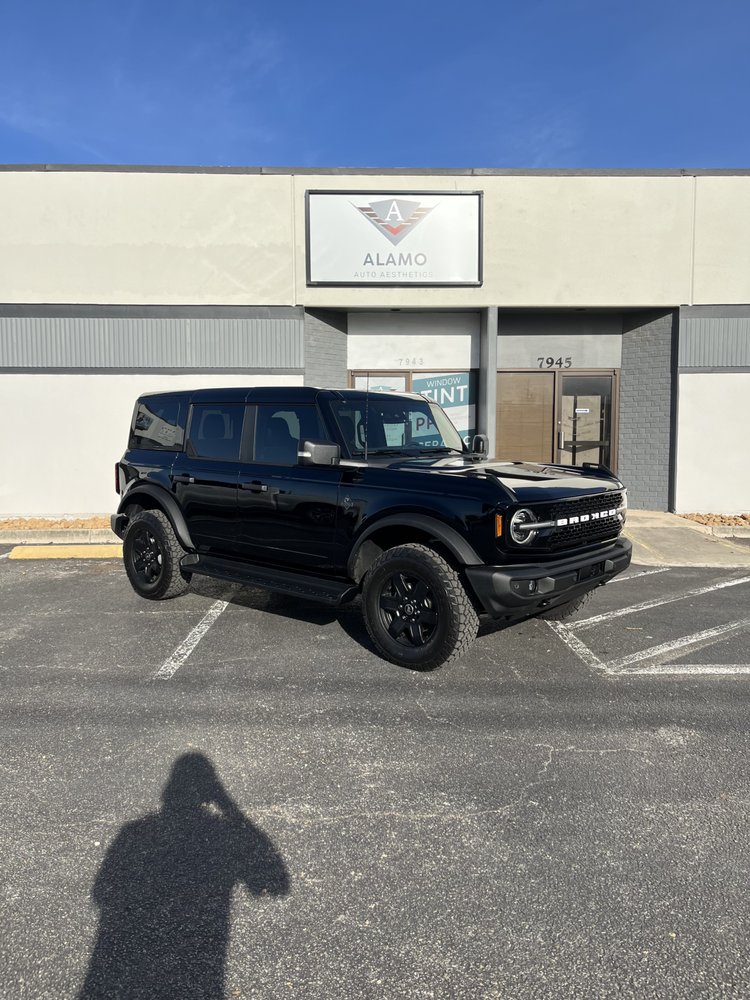
When a pro is clearly the better choice Some situations favor professional installation almost categorically. Split rear windows or wraparound glass require patterning and heat-shaping that most amateurs cannot replicate. Cars with factory privacy glass often need a different prep method because the glass surface itself can be textured. Vehicles with embedded heads-up display projectors, lane departure cameras, rain sensors, or defrosters require careful handling to avoid disabling safety features. If you plan to sell the car within a few years, a shop-installed job with a warranty can be a selling point.
There are also time-sensitive cases. If you need the job done quickly and reliably before a long trip, a professional can deliver consistent optical clarity and curing conditions in a matter of hours. If the vehicle has historical or aftermarket trim that is brittle, a technician can recommend adhesives and techniques that minimize damage risk.
How to choose a san antonio window tinting shop Not all shops are equal. Look for a place with visible certifications from film manufacturers, a portfolio of recent work, and clear warranty terms. Ask whether they use downforce or vacuum-fitting methods for complex curves, and whether they provide a curing period recommendation. Reputable shops will offer a dye-free film option and explain the trade-offs between cost and performance. Read online reviews but pay attention to photos posted by customers more than star ratings.
Ask specific questions: what film brand do you use, do you warranty bubbling and delamination, will you provide a written estimate, and how long before the car can be washed or rolled down windows? A good shop will be transparent. Also query the shop about their handling of window stickers or registration tags that are usually placed on the lower corner of the windshield or side window, because removing or replacing them improperly can be an annoyance.
A buyer’s checklist for materials and expectations If you plan to go DIY and still want a succinct checklist, focus on three things: choose film rated for heat rejection if living in South Texas, gather proper tools including a new blade and a soft squeegee, and commit to a dust-free workspace. Expect to spend several hours and to practice on scrap glass or an old window if possible. Have patience with curing; some adhesives require san antonio window tinting a week to fully set and outgassing can create visible spots that improve with time.
Real-world anecdotes to illustrate trade-offs I once watched a neighbor install a pre-cut kit on a hatchback in his driveway on a 95 degree day. He saved about $120 in labor, but the edges were left exposed under the hatch trim. After two summers full of thermal cycling and sun exposure, the rear window began to lift along the top edge. He ended up having a shop remove and redo the rear glass. The total eventual cost exceeded what a professional install would have been, and he lost time on weekends.
Conversely, I installed film on an older commuter car with simple, flat windows. Buying a mid-range ceramic film roll cost about $140. The install took me six hours including prep and a couple of re-cuts. The result was clean, and after a single weekend of practice I had the confidence to tackle another vehicle. For simple glass and a patient owner, DIY can be both rewarding and economical.
Special considerations for commercial vehicles and fleet tinting If you manage a small fleet, the calculus changes. Uniform appearance and consistent performance matter. Many shops offer fleet pricing and can apply factory-grade films that meet corporate durability requirements. A maintenance plan for periodic inspections is straightforward when a single vendor handles several vehicles; this reduces the administrative overhead of multiple DIY attempts across drivers.
What to expect post-installation Whether you choose DIY or professional work affects immediate care. Professionals typically recommend waiting 3 to 7 days before rolling down windows and 7 to 10 days before washing the vehicle aggressively. DIY installations might need longer if excess soap was used during application. Learn what signs indicate a problem: persistent bubbling after three weeks, peeling at the edges, or optical distortions that were not present right after installation. Warranty terms often define acceptable imperfections and timelines for rework.
Bottom-line advice for San Antonio drivers If your vehicle has complex glass or integrated safety systems, choose professional san antonio window tinting. If you value a warranty and want consistent performance in our harsh sun, a reputable shop is worth the investment. If your car has straightforward, flat windows and you have time, patience, and a willingness to accept some learning curve, DIY can save money and teach practical skills.
For everyday drivers searching for "window tint near me", stop by a few shops and ask to see recent installs and warranty paperwork. Ask about ceramic versus dyed films and request a heat rejection spec in writing. If you decide to go DIY, buy quality film, work cleanly, and be honest about your limits. Both approaches will keep the cabin cooler and protect your interior when done well. Choose the path that suits your vehicle, budget, and appetite for hands-on work.
Alamo Auto Aesthetics PPF, Tints, Wraps 7943 Mainland Dr, San Antonio, TX 78250, United States +1 210-361-3765 https://alamoautoaesthetics.com/ Instagram: https://www.instagram.com/alamoautoaesthetics Facebook: https://www.facebook.com/profile.php?id=61576817309936 YouTube: https://www.youtube.com/@Alamoautoaesthetics Tiktok: https://www.tiktok.com/@alamoautoaesthetics
Alamo Auto Aesthetics PPF, Tints, Wraps 7943 Mainland Dr, San Antonio, TX 78250, United States +1 210-361-3765 Website: https://alamoautoaesthetics.com/